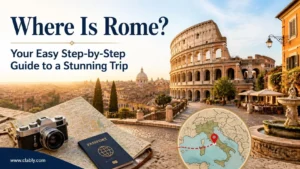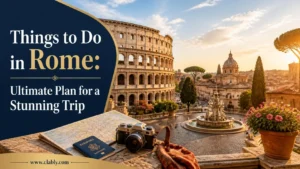

If you want the short answer, here it is. The best places to visit in Rome Italy in 2026 are the Colosseum, the Roman Forum, the Pantheon, the Trevi Fountain, Piazza Navona, the Spanish Steps, Trastevere, Castel Sant’Angelo, and Villa Borghese. Together they cover ancient history, Baroque fountains, quiet cobbled streets, and some of the best sunset views in Europe.
I have walked this city more than once, and I still find new corners every trip. This guide breaks down the best places to visit in Rome Italy by category, so you can build an itinerary that fits your pace instead of racing through a checklist. Italy remains Europe’s top tourism destination heading into 2026, and Rome is seeing a real jump in visitor numbers, so a little planning now saves real frustration later.
Best Places to Visit in Rome Italy for First-Time Visitors
First-time visitors often try to see everything in two days, and that almost never works. The best places to visit in Rome Italy for first-time visitors fall into a manageable core: the Colosseum and Roman Forum in the morning, the Pantheon and Piazza Navona in the early afternoon, and the Trevi Fountain and Spanish Steps closer to evening when the light softens and the crowds thin slightly.
Rome rewards travelers who slow down. Trying to cram in ten attractions in one day usually means rushing past the details that make each site memorable, like the worn marble steps at the Pantheon or the sound of the fountain at Piazza Navona at dusk.
Rome Italy Travel Guide: What to Know Before You Go
Every solid Rome Italy travel guide starts with timing and logistics, since both affect your budget and your patience. Summer temperatures in Rome average around 30 degrees Celsius, or 86 Fahrenheit, while winter lows can drop to about 3 degrees Celsius, or 37 Fahrenheit. Spring and fall offer the most comfortable weather and noticeably shorter lines.
Here is a quick reference for planning, based on current entry pricing and typical visitor patterns:
| Attraction | Entry Fee | Best Time to Visit | Time Needed |
| Colosseum | 18 euros | Early morning | 2 to 3 hours |
| Pantheon | 7 euros | Midday | 30 to 45 minutes |
| Roman Forum | Included with Colosseum | Morning | 1.5 hours |
| Trevi Fountain | Free | Early morning or evening | 15 to 20 minutes |
| Vatican Museums | 20 euros | Early morning | 3 hours |
Any useful Rome Italy travel guide will also tell you to book Colosseum tickets online in advance, since walk up lines during peak season can stretch past an hour. Booking a combined Colosseum, Roman Forum, and Palatine Hill ticket saves both money and time.
Historic Places to Visit in Rome That Bring 3,000 Years to Life
Among the historic places to visit in Rome, the Roman Forum deserves more time than most visitors give it. This was the political and social center of ancient Rome, and walking through it feels less like a museum and more like stepping directly into the ruins of daily Roman life. Fewer visitors linger here compared to the Colosseum next door, which makes it one of the more peaceful historic places to visit in Rome despite sitting in the busiest part of the city.
Castel Sant’Angelo is another site that fits solidly among the historic places to visit in Rome, though it gets skipped more often than it should. Originally built as a mausoleum for Emperor Hadrian, it later served as a papal fortress and prison. The rooftop terrace offers one of the best panoramic views of St. Peter’s Basilica and the Tiber River, and it rarely feels as crowded as the Vatican Museums just a short walk away.
Colosseum Rome: Tickets, Hours, and Insider Tips
No list of the best places to visit in Rome Italy is complete without the Colosseum. Colosseum Rome tickets currently run about 18 euros, and the site is open daily starting at 8:30 in the morning until roughly one hour before sunset. Booking a timed entry slot online in advance is close to essential during the busy months from June through August.
A Colosseum Rome ticket that includes the underground chambers and upper tiers gives a noticeably richer experience than the basic ground floor pass, since it shows the mechanisms that once raised gladiators and animals into the arena. If you only do one guided tour in the entire city, this is the one worth paying extra for.
Rome Tourist Attractions Beyond the Colosseum
Plenty of Rome tourist attractions get overshadowed by the Colosseum’s fame, and the Pantheon is a good example. It welcomed around 4.5 million visitors in 2025, and starting in mid-2026 the entry fee rose to 7 euros, with visitors under 25 paying a discounted 2 euros. The dome remains the largest unreinforced concrete dome in the world, which is a genuinely wild fact once you are standing beneath it. Most lists of the best places to visit in Rome Italy put the Pantheon in the top five, and once you see the oculus letting in a single beam of daylight, it is easy to understand why.
This guide to lesser-known Rome tourist attractions pairs well with a Pantheon visit, since it covers a handful of nearby churches and courtyards that most guidebooks skip entirely, based on a similar research approach to travel planning.
Top Attractions in Rome Italy for Fountains, Piazzas, and Sunset Views
Some of the top attractions in Rome Italy do not require a ticket at all. The Trevi Fountain, completed in 1762, draws more than 3,000 visitors a day who toss coins over their shoulder for a wish to return to the city, according to a 2026 visitor guide. Early morning, before the tour groups arrive, is genuinely the only way to see it without a wall of phone cameras blocking the view.
Piazza Navona sits close by and ranks among the top attractions in Rome Italy for people who want street performers, gelato, and Bernini’s Fountain of the Four Rivers without paying an entry fee. The Spanish Steps, built in 1725, rise 135 steps across 29 meters, and the view from the top is especially striking at sunset when the light hits the surrounding rooftops. Any shortlist of the best places to visit in Rome Italy for evening views should include this spot.
Best Things to Do in Rome for a Slower, Local Pace
Not every one of the best things to do in Rome involves ruins or ticket lines. Trastevere, just across the Tiber, feels like a different city entirely, with narrow lanes, ivy-covered buildings, and some of the best trattorias in Rome tucked into side streets that rarely appear on a map.
Villa Borghese offers a similar change of pace. It ranks among the best things to do in Rome for anyone who wants green space, a small lake, and the Borghese Gallery’s Bernini sculptures without the crowds you find near the Vatican. Renting a rowboat on the lake for twenty minutes is one of those small experiences that ends up as a trip highlight more often than people expect. Neither Trastevere nor Villa Borghese show up on every rushed list of the best places to visit in Rome Italy, but both deserve a half day each.
This roundup of quiet neighborhoods and local food spots goes deeper into Trastevere’s side streets and family run restaurants, which is worth reading before you plan an evening there.
Getting Around the Best Places to Visit in Rome Italy
Most of the best places to visit in Rome Italy sit within central Rome, close enough that walking beats public transit for short hops. The metro covers longer distances well, especially getting to and from the Vatican, but it has only two main lines since deeper excavation keeps uncovering ancient ruins that need to be preserved first.
Taxis and rideshare apps work fine for late nights or luggage days, though official white taxis from a taxi stand are safer than flagging one down on the street. A standard three day transit pass covers buses, trams, and the metro, and it usually pays for itself after four or five rides.
Common Mistakes to Avoid When Visiting Rome
Many travelers skip pre-booking Colosseum and Vatican tickets, then lose two or three hours standing in line during peak season. Others try to visit the Trevi Fountain, Pantheon, and Piazza Navona all in one rushed afternoon walk, which sounds efficient but usually just leaves everyone sweaty and irritated. This is one of the most common mistakes people make when chasing every entry on a list of the best places to visit in Rome, Italy in a single day.
A less obvious mistake is ignoring Rome’s dress code for churches. St. Peter’s Basilica and other major churches require covered shoulders and knees, and staff do turn people away at the door for tank tops and shorts.
Pro Tips From Someone Who’s Explored Rome Multiple Times
After several trips through the city, a handful of lessons stick with me every time. Visit the Colosseum and Roman Forum first thing in the morning, since the heat and crowds both build fast by midday. Carry cash in small denominations, since some smaller trattorias and gelato shops still prefer it over card payments.
One more tip: buy a Roma Pass if you plan to hit more than two paid attractions, since it usually pays for itself and includes public transit. Walking between sites beats the metro for short distances anyway, since so much of central Rome sits within a fifteen minute walk of itself. After a few trips, my own shortlist of the best places to visit in Rome, Italy has barely changed, which says something about how well these sites hold up to repeat visits.
Frequently Asked Questions
What are the best places to visit in Rome, Italy for first time visitors?
The Colosseum, Roman Forum, Pantheon, and Trevi Fountain form the essential first-time itinerary. Add Piazza Navona and the Spanish Steps if you have an extra day for a fuller experience.
How many days do I need to see the best places to visit in Rome, Italy?
Three full days lets you comfortably cover the major sites without rushing. Five days allows time for Trastevere, Villa Borghese, and a day trip outside the city.
Is the Colosseum worth the entry fee?
Yes, the Colosseum ticket includes access to the Roman Forum and Palatine Hill, covering three major historic sites for one price. Booking online in advance also avoids the long walk up ticket lines.
Do I need to book Vatican Museums tickets in advance?
Yes, booking online ahead of time is strongly recommended, especially from June through August. Walk up lines can exceed an hour during peak season.