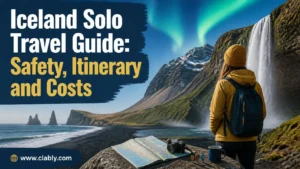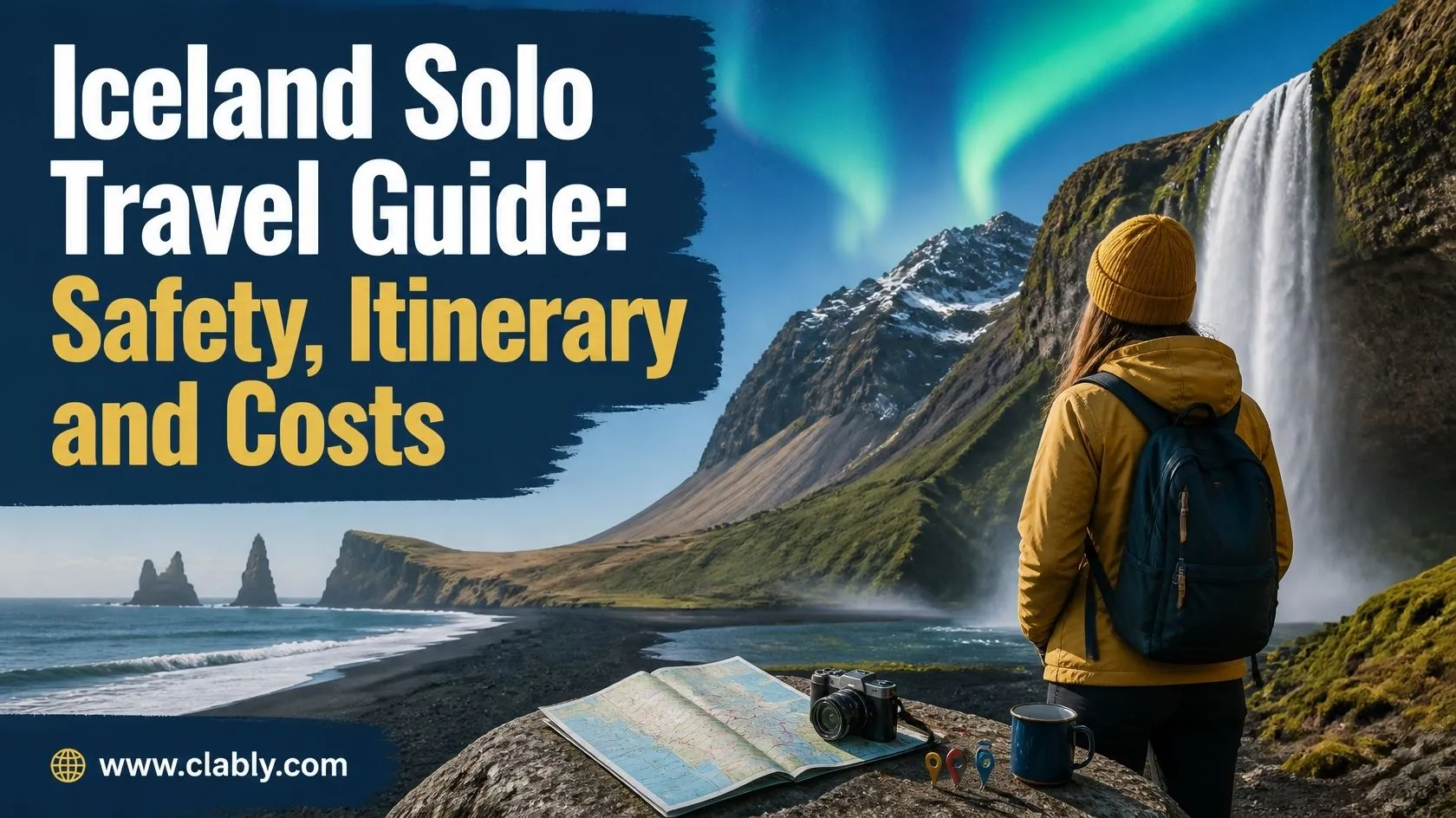

Picture your first morning in Reykjavik. Steam drifts off a hot pool, the air smells like salt, and nobody expects small talk unless you want it. That quiet ease is why Iceland solo travel guide keeps growing, especially among Americans planning a first trip alone.
In 2025, Americans made up about 29% of foreign visitors leaving Keflavík Airport, roughly 654,000 people Keflavík Airport, 8 million guests in 2025, using Icelandic Tourist Board data). So you won’t be the only one booking a solo trip to Iceland. This guide covers safety, timing, costs, where to stay and a day-by-day plan you can copy.
Is Iceland Good for Solo Travel?
Yes, Iceland is one of the best places for a first solo trip. In 2026, the Institute for Economics and Peace named it the world’s most peaceful country for the 19th straight year, citing very low crime and strong social trust TravelPulse, World’s Safest Countries As Global Peace Reaches Historic Low, 2026. That calm shapes everything, from quiet late-night streets to relaxed hostels.
Beyond safety, the logistics are friendly. Reykjavik is compact and walkable. English is widely spoken, cards work almost everywhere, and group tours leave daily for the big sights. You can travel fully alone, fully guided, or switch between the two as your mood changes. Few countries make mixing this easy.
Is Iceland Safe for Solo Travelers?
For crime, yes. For nature, it demands respect. A peace ranking measures national stability, not petty theft, road conditions or weather, as Outlook Traveller, Global Peace Index 2026 points out. Your real risks are sneaker waves on black sand beaches, fast storms, icy roads and slippery glacier edges. Treat nature as the main safety issue, because it is.
What Are the Downsides of Traveling Alone in Iceland?
Cost is the big one. Iceland is expensive, and a single traveler can’t split a rental car or a hotel room. Public transport outside Reykjavik is limited, and there are no trains. Winter brings short days and tricky driving. None of this is a dealbreaker. It just shapes how you plan.
Planning insight: Most first-timers overbook driving days. Mixing two self-drive days with two guided days keeps you rested, cuts stress and gives you built-in company on the longest routes.
Iceland Solo Travel Guide: What to Know Before You Go
Iceland received about 2.25 million foreign visitors through Keflavík in 2025, according to the Icelandic Tourist Board, so the infrastructure for independent travelers is mature Keflavík Airport, 8 million guests in 2025, 2026. Booking ahead matters most in summer, but you’ll find reliable lodging, tours and car rentals all year. Before leaving for Iceland, compare these travel backpack recommendations to find a practical bag for your trip essentials.
Getting There From the US
Flights from many US cities take roughly five to seven hours, so you can leave in the evening and land the next morning. Keflavík sits about 45 minutes from Reykjavik by bus or car. Overnight flights leave you tired. SafeTravel specifically warns about fatigue after overnight flights, so rest before any long drive Fun Iceland, Driving in Iceland, 2026.
Money, Plugs and Phones
Iceland uses the króna, and cards or tap-to-pay work nearly everywhere, even at remote stops. Bring a Type C or F plug adapter and check that your chargers handle 230V. Tap water is safe and tastes great, so skip bottled water. Tipping isn’t expected. Add an eSIM or local SIM so you stay reachable on the road.
Entry Rules and Insurance
US citizens can usually visit for short stays without a visa, but rules change. Confirm current entry requirements on official government sites before you book. Buy travel insurance that covers medical care and evacuation. Hiking and glacier activities are where solo travelers tend to get hurt, so don’t skip this step.
Solo Travel to Iceland: Choosing the Best Season
In August 2025, about 313,000 foreign visitors left Keflavík, an all-time monthly record, based on Icelandic Tourist Board figures reported by Adventures.is, Travel trends in Iceland in 2026. August is also the busiest month, so prices peak. Your best season depends on whether you want daylight, auroras or lower costs.
Summer, June to August
Summer gives you long daylight and open roads. Midnight sun means you can drive or hike late without darkness, a real comfort when you’re alone. Highs can reach 68 to 77°F Reykjavik Excursions, Safe Travel in Iceland, 2022. Highland F-roads open only in summer, and they need a proper 4×4 and experience (Fun Iceland, Driving in Iceland, 2026). Book lodging months ahead.
Winter, November to March
Winter is the season for Northern Lights, ice caves and cozy hot pools. It also brings snow, wind and short days. Temperatures can fall to about -4°F Reykjavik Excursions, Safe Travel in Iceland, 2022. Mountain passes on Route 1 sometimes close in bad weather Nordic Visitor, Winter driving in Iceland, 2026. If you’re nervous about driving, book guided aurora tours instead.
May and September: The Best Time to Visit Iceland Solo for Most People
Our pick: May and September. You get long days in May, returning auroras in September, thinner crowds and lower prices than July or August. Roads are mostly clear, and hostels still have beds. It’s the sweet spot for a first solo trip.
Iceland Solo Travel Itinerary: 7 Days From Reykjavik
There are no trains in Iceland, so most travelers rent a car, join guided day tours or combine both Fun Iceland, Driving in Iceland, 2026. This seven-day plan works either way. It loops from Reykjavik through the Golden Circle and the South Coast, then ends on the Snæfellsnes Peninsula.
Day 1: Reykjavik
Land, rest, then walk. Climb the Hallgrímskirkja tower, stroll past the Harpa concert hall and wander the harbor. In the evening, soak at a local swimming pool, where Icelanders gather. Shower thoroughly without a swimsuit before you enter. Everyone follows this rule.
Day 2: The Golden Circle
Visit Þingvellir National Park, the Geysir geothermal area and Gullfoss waterfall. Plan a full day with stops, and start early. Confident drivers can do it alone. A small-group tour adds company and removes the navigation stress.
Day 3: South Coast to Vík
See Seljalandsfoss and Skógafoss waterfalls, then reach Reynisfjara black sand beach near Vík. Stay far back from the surf. Sneaker waves can surge well past the waterline without warning, and they catch visitors every year.
Day 4: Skaftafell and Jökulsárlón
Drive east to the glacier lagoon at Jökulsárlón and nearby Diamond Beach. It’s a long driving day, so keep expectations realistic. Book a guided glacier hike rather than walking on ice alone. Glaciers need guides, crampons and local knowledge.
Day 5: A Slow Return West
Retrace the coast and revisit anything you rushed. Sleep near Hvolsvöllur or Selfoss. This day is slow on purpose. Solo trips go better when you build in rest, and a calm day protects your energy for the final stretch.
Day 6: Snæfellsnes Peninsula
Often called Iceland in miniature, this peninsula packs in Kirkjufell mountain, the Arnarstapi sea cliffs and Júpalónssandur beach. It’s about two hours from Reykjavik, so it works as a long day trip or an overnight stop.
Day 7: Hot Spring and Departure
Book a geothermal spa such as the Blue Lagoon or Sky Lagoon in advance, and time it before your flight. A warm soak is a gentle way to end a week of driving. Leave plenty of time to return your rental car.
Best Things to Do in Iceland Alone
The best things to do in Iceland alone feel social without forcing it. Hot pools, small-group tours and scenic drives let you set the pace. Nature does the heavy lifting, so you never feel like you’re missing a travel partner.
- Soak in a geothermal pool. Public pools are everyday social spaces. Chatting with locals is easy, and a visit costs far less than a spa.
- Join a small-group glacier hike. Guides handle safety and gear, and you’ll meet other travelers on the trail.
- Go whale watching. Tours leave from Reykjavik harbor, and you can book a single seat without any hassle.
- Chase the Northern Lights with a guide. The Aurora season runs roughly September to April. Guides track clear skies so you don’t have to.
- Walk between tectonic plates at Þingvellir. The trails are easy, scenic and well marked.
- Take a food tour in Reykjavik. It’s a smart way to try local dishes and share a table with strangers.
Solo Travel Iceland: Where to Stay, Eat and Budget
Iceland costs more than most US destinations, and solo travelers can’t split rooms or cars. Smart choices close the gap. Sleep in guesthouses and hostels, cook some meals and book tours selectively. Spend where the experience is unique, then save everywhere else.
Where to Stay in Iceland for Solo Travelers
Reykjavik hostels offer private single rooms and shared kitchens, plus easy ways to meet people. Guesthouses and farm stays outside the capital give you quiet and a local breakfast table. Hotels cost more, so save them for a splurge night. Book summer rooms early because the best single rooms sell out.
Eating Alone and Saving Money
Bakeries, hot dog stands and supermarket delis make cheap, filling meals. Shop at discount chains such as Bónus and refill a bottle from the tap. Dining alone is completely normal in Iceland, so grab a bar seat at a harbor restaurant for one memorable dinner.
Rental Car or Guided Tours?
Compare the full cost of a rental car, fuel and insurance with two or three guided day tours. On a short trip, tours can be cheaper than a car you barely use. On a longer trip, a car gives you freedom and quiet time. Many solo travelers mix both.
How Do You Stay Safe When Driving Alone in Iceland?
SafeTravel, run by the Icelandic Association for Search and Rescue, urges visitors to report their travel plans, especially in the interior, and to check road and weather conditions before every drive Arctic Coast Way, Have a safe journey, 2026. Do those two things daily and you remove most solo risks.
- Download the 112 Iceland app. It shares your location with emergency responders. Iceland’s emergency number is 112 Arctic Coast Way, Have a safe journey, 2026.
- Check road.is and vedur.is every morning. Road closures and storm alerts change fast.
- Don’t trust GPS blindly in winter. Navigation apps pick the shortest route and ignore closures Nordic Visitor, Winter driving in Iceland, 2026.
- Never stop in the road for photos. Pull fully off the lane in a safe spot.
- Stay off F-roads and off-road tracks. F-roads are closed in winter, and off-road driving is illegal Guide to Iceland, Health and safety in Iceland, 2026.
- Carry water, snacks and a charged phone. Intrepid Travel, Is it safe to travel to Iceland also recommends comprehensive travel insurance and staying contactable at all times.
Frequently Asked Questions About Iceland Solo Travel
Is Iceland expensive for solo travelers?
Yes, it costs more than most US destinations, and you can’t split lodging or car rentals. You can control spending with hostels, grocery meals, tap water and a mix of tours and self-drive days. Plan your budget around lodging and transport first, because those drive most costs.
How many days do you need for solo travel in Iceland?
Seven days lets you cover Reykjavik, the Golden Circle, the South Coast and Snæfellsnes without rushing. Four or five days works for a shorter Reykjavik and South Coast trip. If you want the full Ring Road, plan at least ten days so you aren’t driving from dawn to dusk.
Is Iceland safe for solo female travelers?
Iceland has ranked as the world’s most peaceful country for 19 straight years, TravelPulse, World’s Safest Countries As Global Peace Reaches Historic Low, 2026, and many women travel there alone. Use normal precautions, such as sharing your plans and keeping your phone charged. The biggest risks are weather, roads and natural hazards rather than crime.
Can you see the Northern Lights when traveling alone?
Yes. The season runs roughly September to April, and you need dark, clear skies. Guided aurora tours are the easiest solo option because the guide tracks cloud cover and drives. If you’re staying a few nights, book your tour early in the trip so you have a backup night.
Do you need to rent a car in Iceland?
Not always. Iceland has no trains, so travelers rent cars, join guided tours or combine both Fun Iceland, Driving in Iceland, 2026. If you stay in Reykjavik, day tours cover the Golden Circle, South Coast and glaciers. A car makes sense when you want flexibility and feel confident in changing weather.
Ready to Plan Your Iceland Solo Trip?
Iceland rewards solo travelers who plan for weather instead of fearing crime. Pick your season, book your first two nights in Reykjavik and mix guided tours with self-drive days. Then build in one slow day, because rest makes the whole trip better.
- Choose May or September for the best balance of daylight, cost and crowds.
- Download the 112 Iceland app and register your travel plan on SafeTravel.
- Use the seven-day route as a base, then adjust it to your comfort level.
Start with flights and lodging this week, because summer beds and rental cars sell out early. Your first solo trip to Iceland can feel calm, safe and genuinely unforgettable.